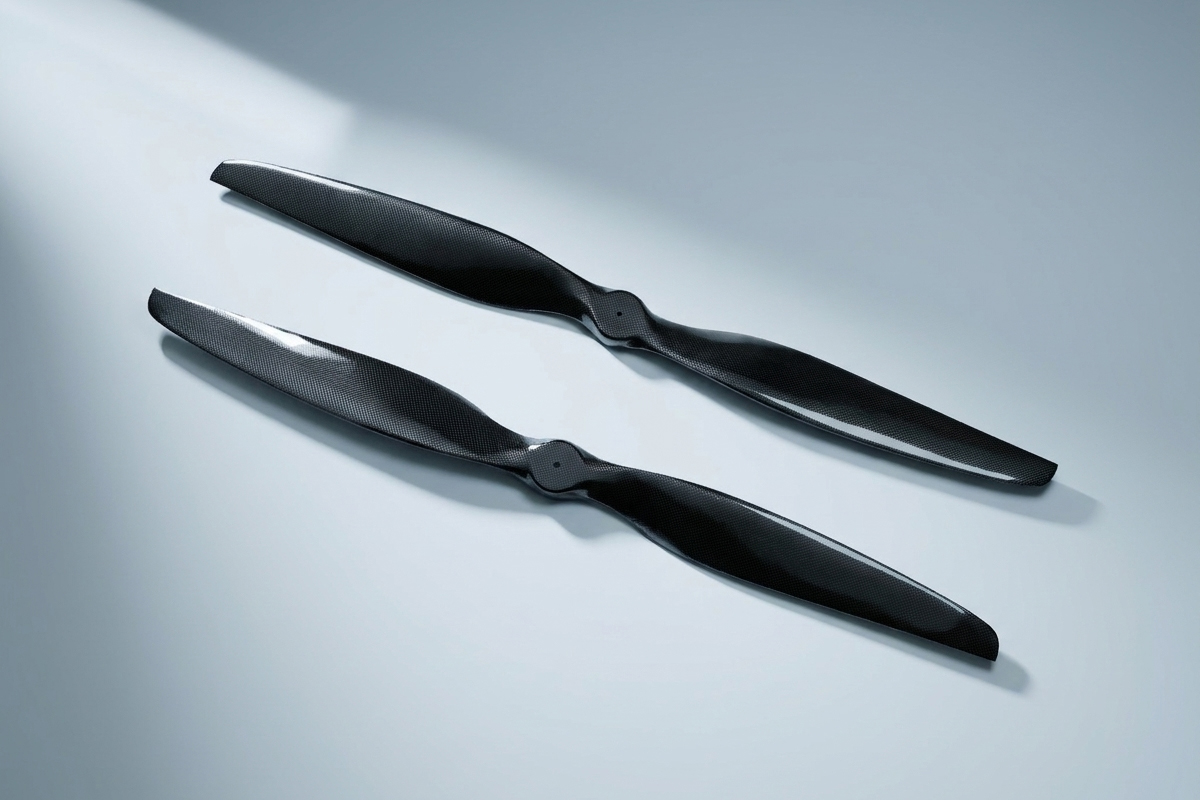
Understanding UAV Propeller Test Data: Thrust, Power, and Efficiency
A UAV propeller test report is easier to understand when thrust, power, and efficiency are read together. A thrust figure shows the force produced, while the power reading shows the rate at which energy was supplied to produce it. The relationship between them helps explain the result.
For anyone evaluating carbon fiber UAV propellers, these figures provide a starting point for discussing performance. At Ta Lung, testing supports propeller development and manufacturing decisions, with results considered alongside their test conditions.
What Thrust Tells You
Thrust is the force a rotating propeller produces as it moves air. Test reports may express it in newtons (N), gram-force (gf), or kilogram-force (kgf). Checking the unit is a useful first step, especially when figures come from different reports.
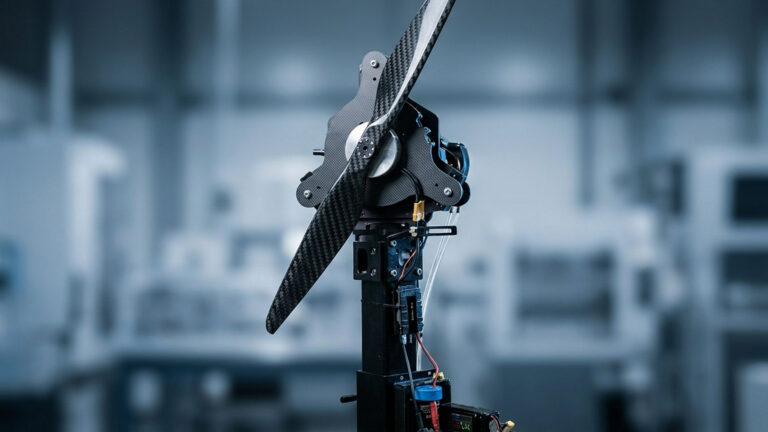
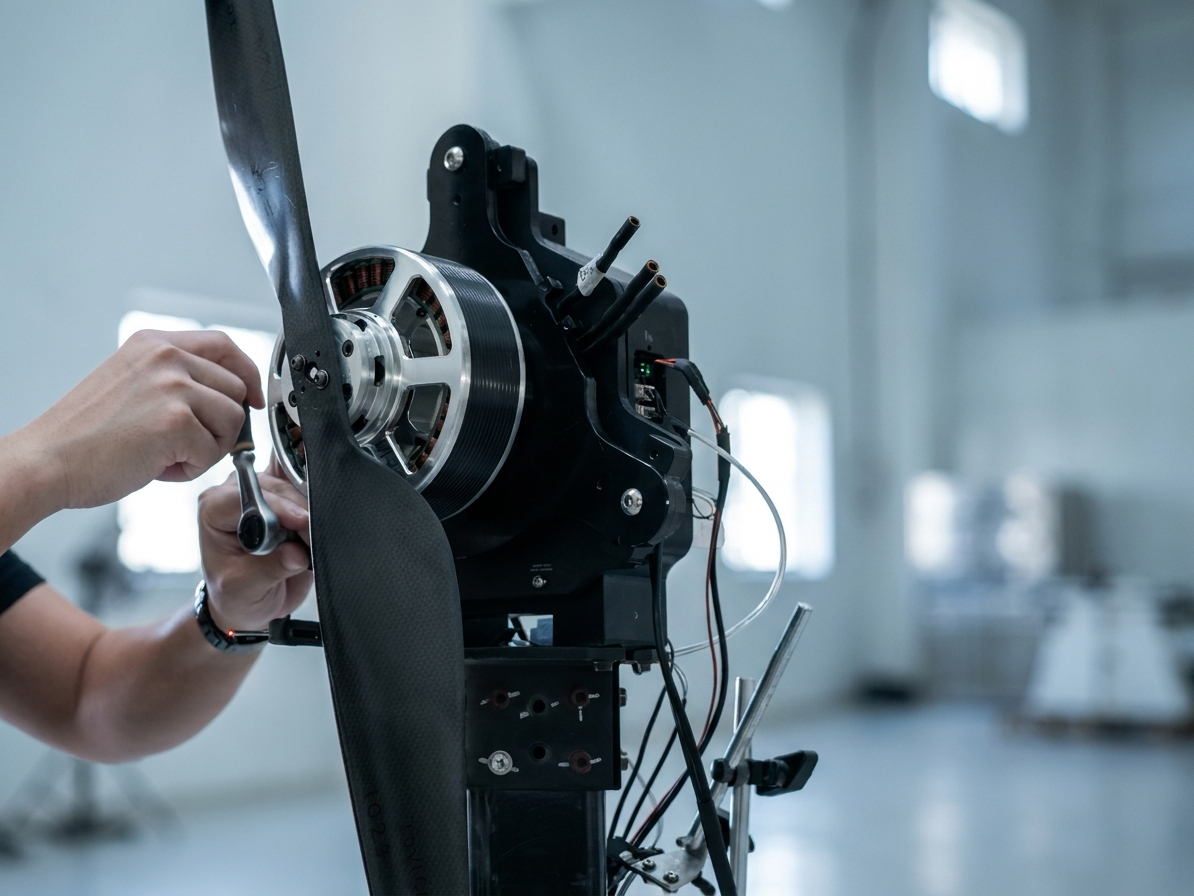
A static test measures thrust with the propulsion unit held stationary, without added airflow to simulate forward flight. The reading belongs to a particular operating point, so it should be viewed alongside RPM and the test setup. A higher thrust figure shows greater force at that point; it does not, by itself, establish a drone’s payload capacity.
Understanding Power Consumption
Power describes the rate at which energy is used and is usually reported in watts (W). For an electric UAV setup, electrical input power is based on the measured voltage and current supplied to the propulsion system.
Some reports also include mechanical power at the motor shaft. This is the power delivered to turn the propeller. Electrical input measured before the speed controller also includes losses in the controller and motor.
Before comparing two power figures, check that both refer to the same measurement. This is particularly important when results come from different suppliers or test systems.
Reading Efficiency in Grams per Watt
Some UAV propulsion tables label efficiency in g/W. In this context, the value is more precisely described as gram-force per watt (gf/W): the thrust produced for each watt of power. It is a thrust-to-power ratio, not a percentage efficiency.
When power is measured before the speed controller, the ratio reflects the tested controller, motor, and propeller combination. A higher figure means more thrust per watt at that test point.
The operating point still matters. A value recorded at low thrust should not be treated as a direct comparison with one recorded at much higher thrust. Reading the thrust and power columns together gives the ratio its context.
Comparing UAV Propeller Test Results
For a practical comparison, start with the thrust required for the application and look at the power needed to reach it. Check the motor, supply voltage, propeller specifications, and test conditions. Note the RPM for each result; different propellers may reach the same thrust at different speeds.
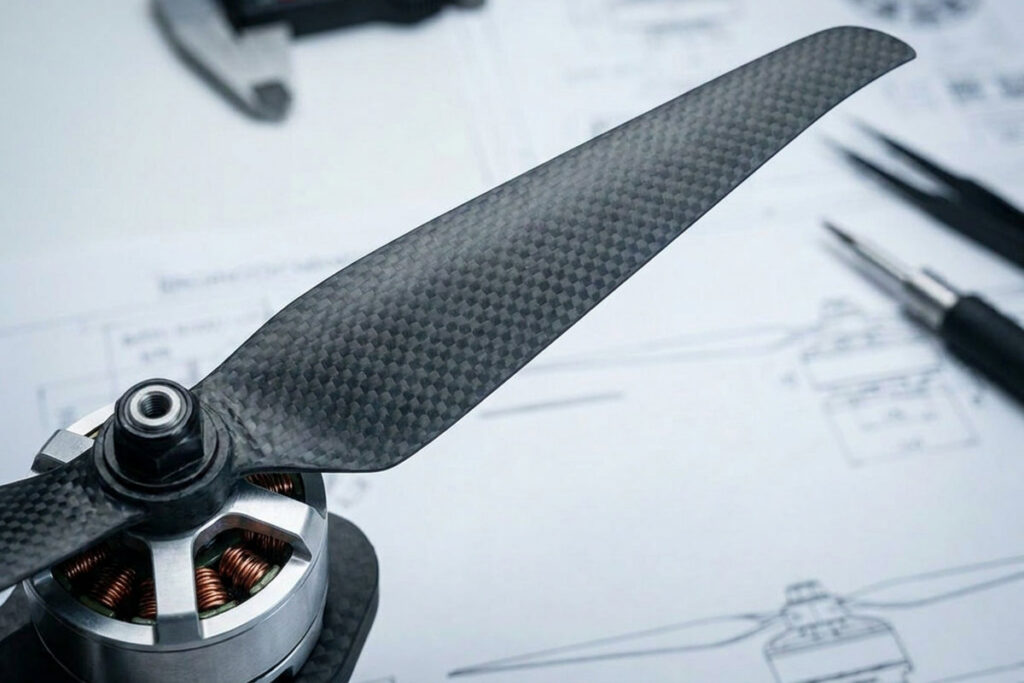
The same approach applies to carbon fiber UAV propellers. Material is part of the design, but it does not establish thrust or efficiency on its own.
Static test results provide a useful reference under controlled conditions. Actual flight also depends on the aircraft, battery, load, and operating environment, so a bench result alone cannot confirm flight time.
Carbon Fiber UAV Propeller Testing at Ta Lung
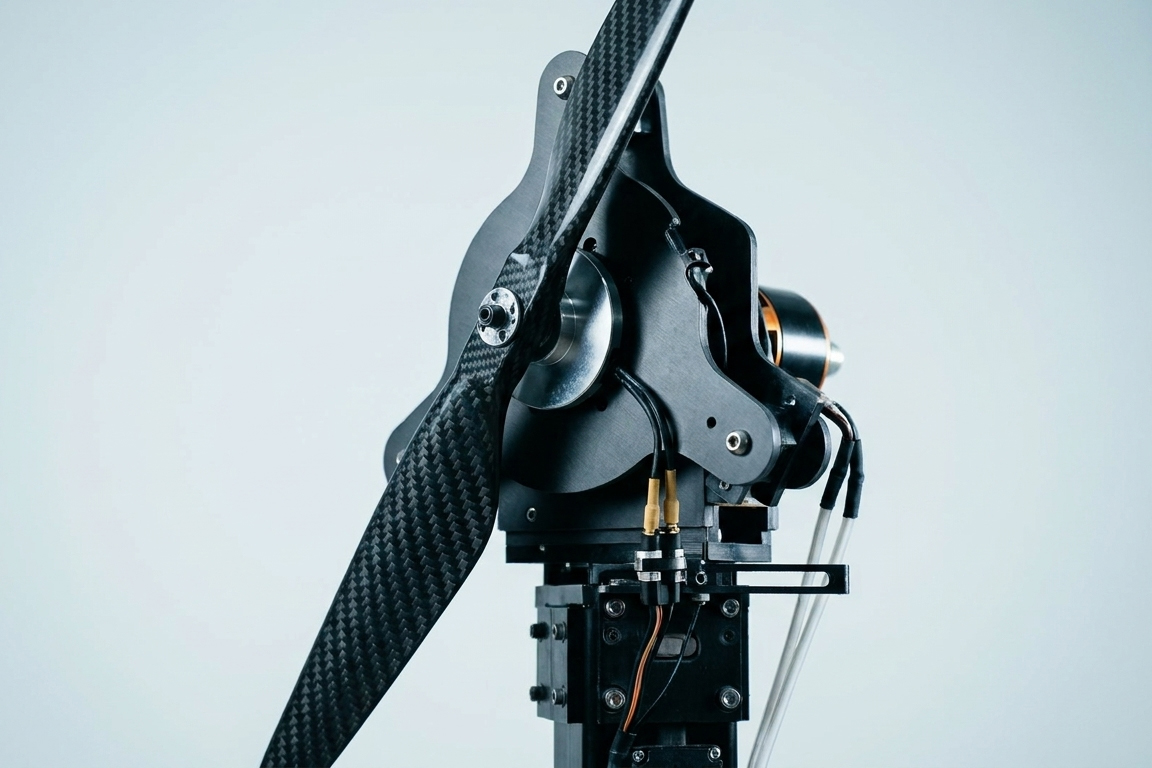
Ta Lung combines carbon fiber propeller manufacturing with in-house UAV propeller testing. Our lab supports the evaluation of thrust, RPM, torque, power, and efficiency, helping customers review performance data during development.
These measurements give customers a clearer basis for discussing a propeller’s intended operating conditions and its suitability for a particular project.
Explore our carbon fiber propellers and UAV Propeller Testing Lab, or contact Ta Lung to discuss your requirements.
Carbon Fiber Propellers Engineered for Your Needs.