What Is Prepreg Carbon Fiber? Benefits, Process, And Applications
What Is Prepreg Carbon Fiber?
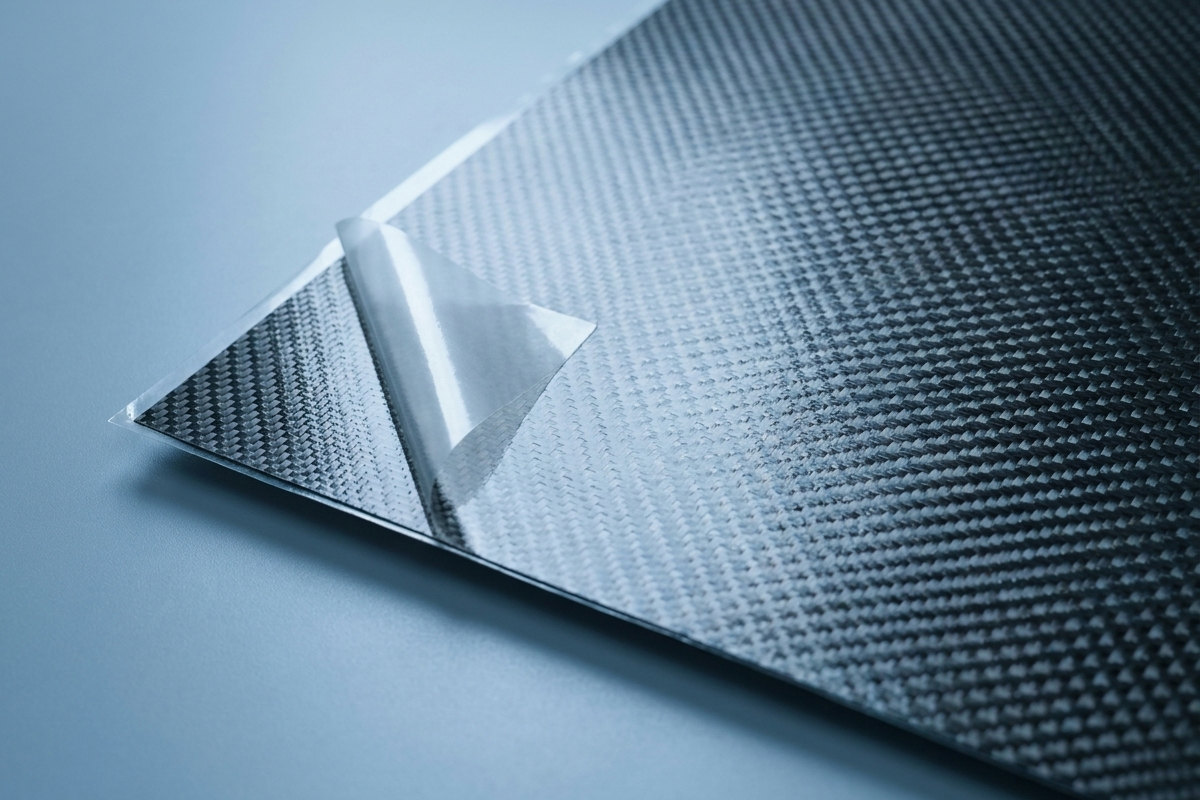
Prepreg carbon fiber is a carbon fiber material that has already been impregnated with a controlled amount of resin before it reaches the manufacturing stage. Instead of manually applying resin during production, the resin is pre-applied under controlled conditions, giving the material a more consistent resin content and better overall processing stability.
In composite manufacturing, this makes a major difference. The balance between fiber and resin affects strength, rigidity, surface quality, weight, and dimensional consistency. When that balance is more controlled from the beginning, the final part can be more predictable and repeatable.
This is one reason prepreg carbon fiber is often used for high-performance applications where lightweight strength, clean appearance, and stable production quality are important.
How Prepreg Carbon Fiber Works
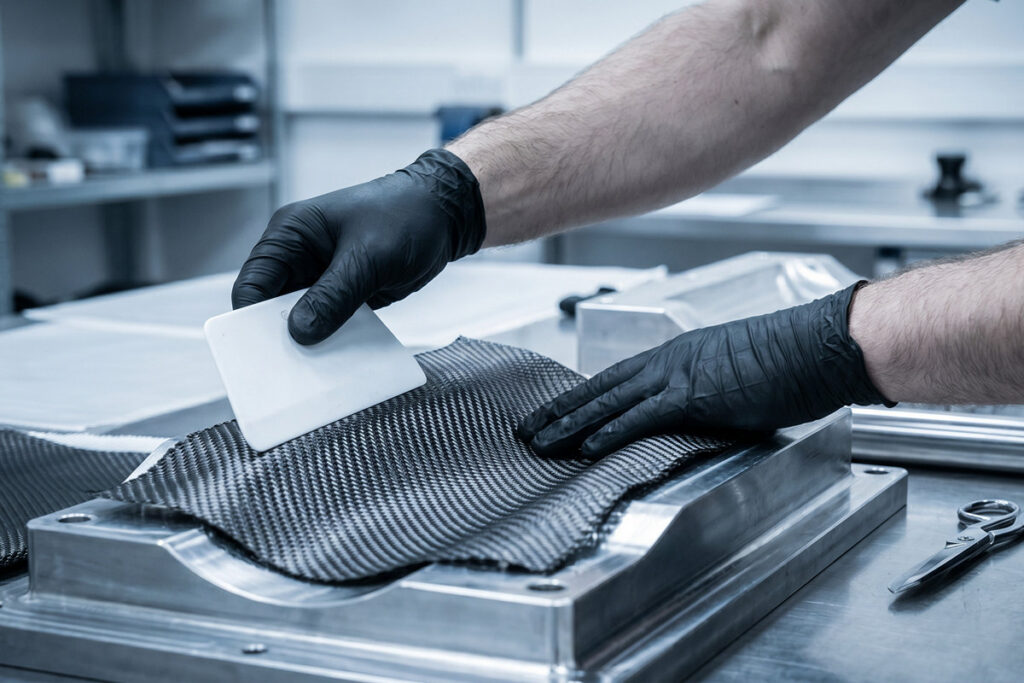
The prepreg process starts with carbon fiber fabric or unidirectional carbon fiber material that is impregnated with resin. The material is then stored under controlled conditions before being cut, layered, and placed into a mold.
During production, heat and pressure are applied to activate and cure the resin. Depending on the part design and production method, this may involve hot press forming, compression molding, vacuum bagging, or other controlled forming processes. The goal is to allow the carbon fiber layers and resin system to consolidate into a strong, stable composite structure.
Compared with more manual processes, prepreg carbon fiber requires careful control of material handling, storage, lay-up direction, temperature, pressure, and curing time. When these details are managed correctly, the result is a part with better consistency and stronger production repeatability.

Why Prepreg Carbon Fiber Is Different From Wet Lay-Up
A common way to understand prepreg carbon fiber is to compare it with wet lay-up. In wet lay-up, resin is applied manually during production. This method is flexible and useful for many custom composite parts, prototypes, and low-volume applications. However, the resin content can vary depending on the operator, part shape, and process conditions.
Prepreg carbon fiber is different because the resin has already been applied to the fiber in a controlled amount. This helps reduce variation and gives manufacturers better control over the final material structure. It does not mean prepreg is always the best choice for every project, but it is often preferred when dimensional accuracy, strength, surface quality, and repeatable production are important.
For OEM projects, the choice between prepreg carbon fiber and wet lay-up depends on the product requirement, production volume, tooling budget, surface expectation, and performance target.
Key Benefits Of Prepreg Carbon Fiber
The biggest advantage of prepreg carbon fiber is consistency. Because the resin content is controlled before manufacturing, the final part can achieve more stable thickness, better dimensional accuracy, and more predictable mechanical performance.
Another important benefit is strength-to-weight efficiency. Carbon fiber is already valued for being lightweight and strong, but prepreg processing helps the material perform more consistently. This is especially important for parts that need rigidity, resistance to deformation, and reliable structural behavior.
Prepreg carbon fiber can also support better surface quality. For applications where appearance matters, such as automotive components, UAV parts, bicycle components, and visible carbon fiber products, stable material preparation and controlled forming can help create a cleaner and more refined finish.
Key Benefits:- Excellent dimensional consistency
- High strength-to-weight ratio
- Strong rigidity and structural stability
- Better resin content control
- Improved surface quality
- Reduced deformation risk
- Repeatable production quality
Common Applications Of Prepreg Carbon Fiber
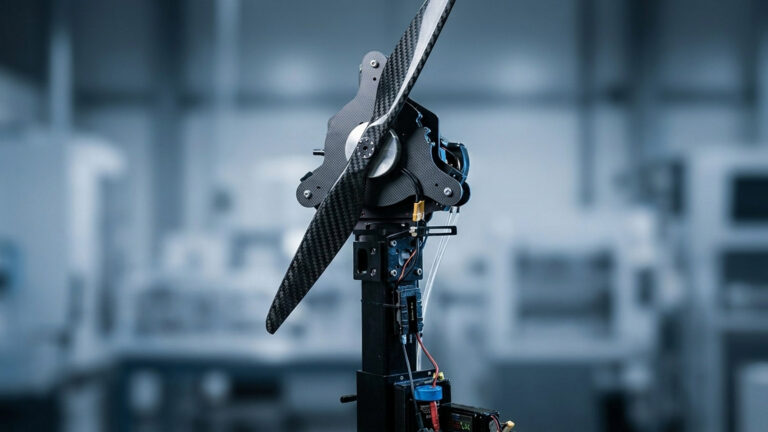
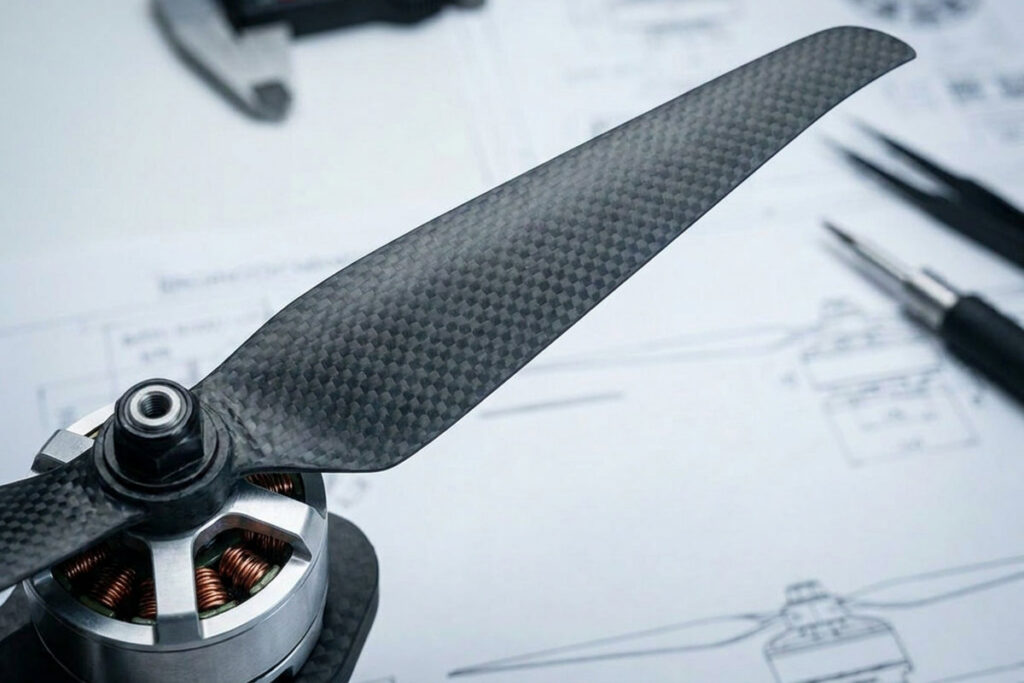
Prepreg carbon fiber is often used in applications where performance and consistency matter more than simple material cost. In UAV and aerospace-related products, prepreg carbon fiber can support lightweight structures, propeller components, panels, covers, and other composite parts that need stable strength and low weight.
In automotive and motorsport applications, prepreg carbon fiber is commonly used for exterior parts, interior trim, aerodynamic components, engine covers, and performance upgrade parts. These components often require both visual quality and structural reliability.
Prepreg carbon fiber can also be used in bicycle components, sporting goods, medical products, industrial parts, and custom OEM projects. The material is suitable for products where lightweight design, stiffness, and repeatable manufacturing quality are important.
Why Process Control Matters
Prepreg carbon fiber is a high-performance material, but the material alone does not guarantee a high-quality part. The process still matters. Cutting, storage, lay-up direction, mold accuracy, curing temperature, pressure, and finishing all affect the final result.
For example, incorrect fiber orientation can reduce strength in the direction where the part needs it most. Poor mold control can create fitment issues. Inconsistent pressure or curing conditions can affect surface quality and part stability. These details are why prepreg carbon fiber manufacturing requires both proper equipment and experienced process control.
A good prepreg carbon fiber part is not only about using advanced material. It is about controlling each step from material preparation to final inspection.
Prepreg Carbon Fiber In OEM Manufacturing
For OEM manufacturing, prepreg carbon fiber can be a strong option when the project requires repeatable quality, accurate fitment, and stable performance across production batches. It is especially useful when customers need components that must maintain consistent size, shape, and surface quality.
However, prepreg carbon fiber also requires careful planning. Tooling design, mold material, production volume, part complexity, and curing method all need to be considered before production begins. This is why early design review and manufacturing feasibility evaluation are important.
At Ta Lung, prepreg carbon fiber can be connected with broader composite manufacturing support, including tooling, cutting, hot press forming, CNC finishing, 3D scanning, inspection, and OEM production planning. This helps customers move from concept or sample to a more production-ready composite component.
Final Thoughts
Prepreg carbon fiber is not just another carbon fiber material. It is a controlled composite manufacturing solution for products that require strength, rigidity, surface quality, and repeatable production results.
For simple prototypes or highly flexible custom work, other processes may still be suitable. But when a project demands better dimensional consistency, stable material quality, and a more controlled manufacturing process, prepreg carbon fiber becomes a valuable option.
The key is choosing the right process for the right product. With proper engineering review, tooling, forming control, and inspection, prepreg carbon fiber can help create lightweight composite parts that are not only strong, but also reliable and production-ready.
Carbon Fiber Propellers Engineered for Your Needs.